Coffee Barista: The Heart Behind Every Perfect Cup of Coffee
Introduction: Who is a Coffee Barista?
In every bustling café, behind the rich aroma of roasted beans and the soothing sound of milk frothing, you’ll find a coffee barista—the skilled artisan who turns coffee into a daily ritual. A barista is more than just someone who makes coffee; they’re the creative force behind your favorite lattes, cappuccinos, and flat whites.
Whether you’re a coffee enthusiast, aspiring barista, or café owner, understanding the role of a barista helps you appreciate the craft, training, and customer experience they bring to every cup.
What Does a Coffee Barista Do?
At a glance, a coffee barista may appear to be just someone operating an espresso machine. However, their responsibilities go far beyond that. Here’s a breakdown of the core duties of a professional barista:
Preparing a variety of coffee drinks (espresso, macchiato, latte, cappuccino, cold brew, etc.)
Grinding beans and dialing in espresso shots for consistency
Steaming and frothing milk to the right texture and temperature
Maintaining and cleaning coffee equipment
Creating latte art
Engaging with customers and recommending drinks
Managing inventory and keeping the coffee station stocked
Working efficiently during rush hours
Baristas play a key role in setting the tone of a coffee shop. Their attitude, speed, and attention to detail greatly affect the overall experience.
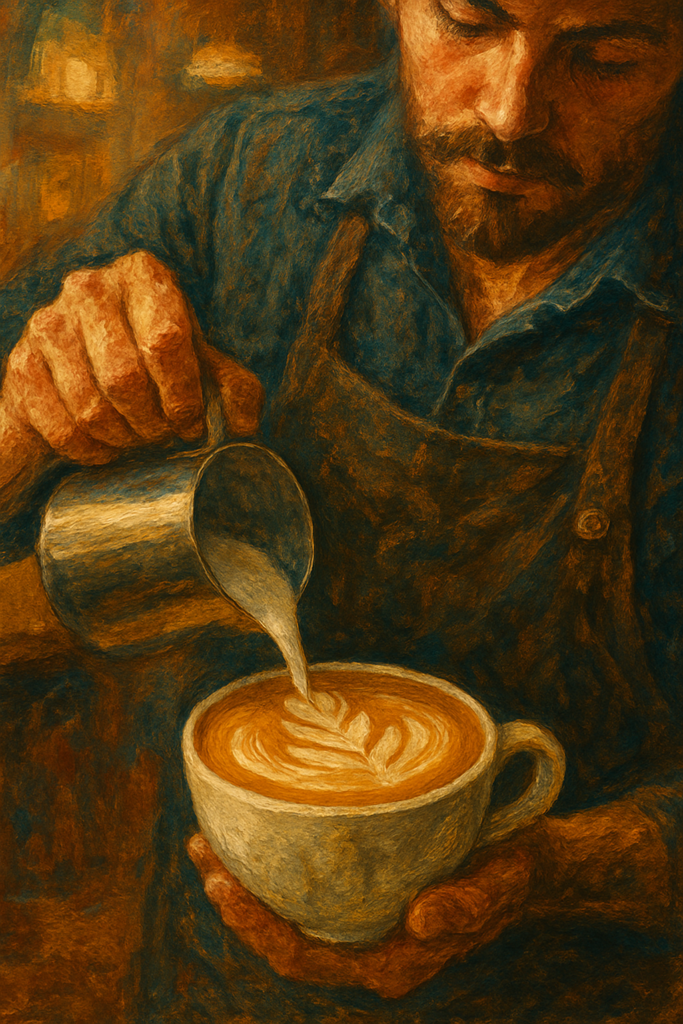
Image: DALL.E, Image text: CANVA
Essential Skills Every Coffee Barista Should Have
To be a successful barista, certain technical and soft skills are essential:
1. Knowledge of Coffee Beans and Brewing Methods
A great barista understands coffee origins, roast levels, grind size, and the ideal brewing methods such as espresso, pour-over, French press, or AeroPress.
2. Espresso Machine Mastery
Knowing how to pull the perfect shot of espresso—balancing grind size, tamping pressure, and extraction time—is crucial.
3. Milk Frothing Technique
From silky flat whites to foam-heavy cappuccinos, milk texture matters. Baristas must master the art of steaming milk without scalding it.
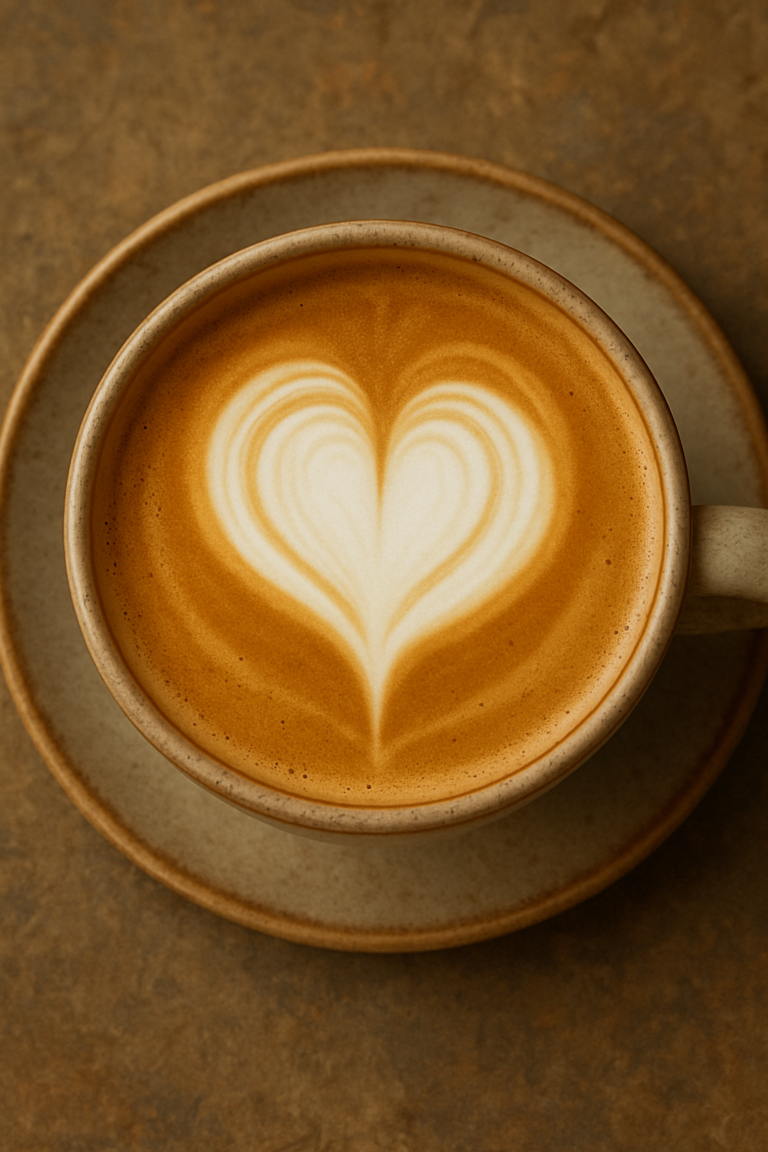
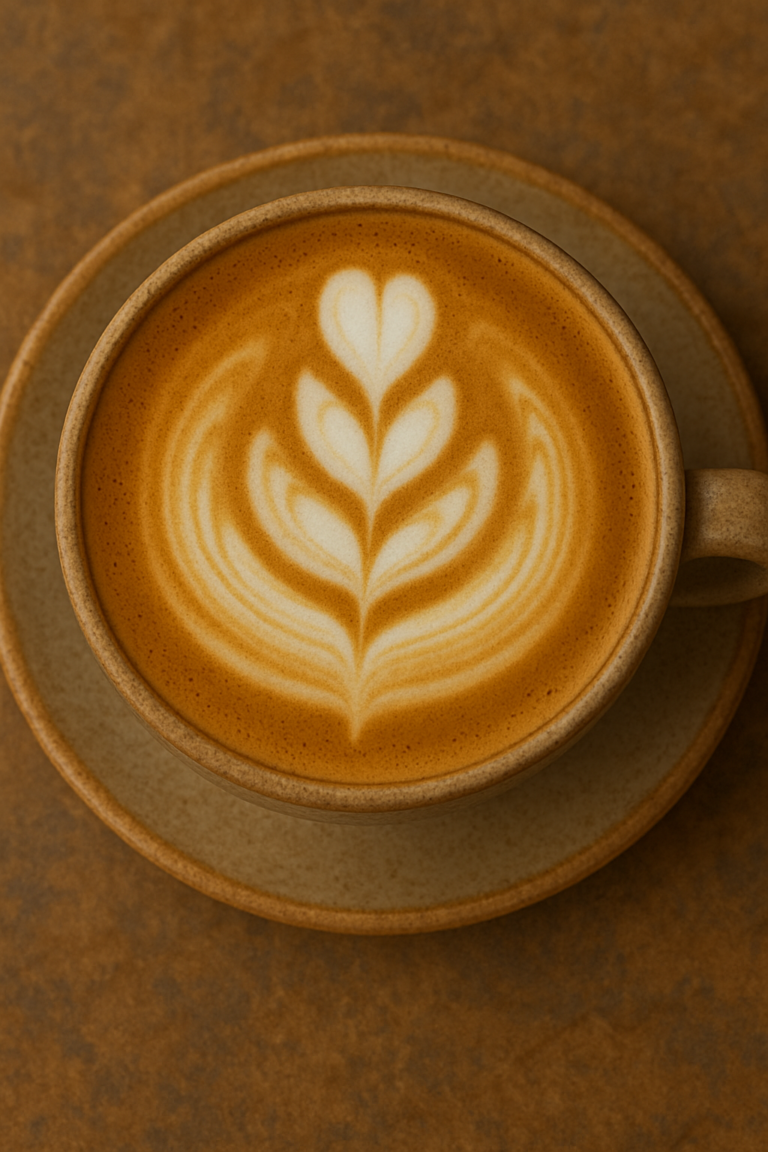
4. Latte Art
While not required, latte art (like hearts, rosettas, or tulips) demonstrates a barista’s skill and adds a personal touch to each drink.
5. Customer Service
A friendly smile and positive attitude go a long way in creating loyal, happy customers.
6. Multitasking & Time Management
Baristas often juggle multiple drink orders while handling customers and cleaning tasks. Efficiency is key.
How to Become a Coffee Barista
If you’re interested in becoming a coffee barista, here’s a step-by-step guide:
Step 1: Start with a Passion for Coffee
Being genuinely interested in coffee culture makes learning the craft easier and more enjoyable.
Step 2: Get a Job at a Café
Entry-level positions like café assistant or bar-back can help you learn the ropes. Most baristas train on the job.
Step 3: Learn Barista Skills
You can also take barista training courses online or in person. Some popular certifications include:
SCA Barista Foundation Course
Barista Hustle Training
Local café workshops or community college courses
Step 4: Practice, Practice, Practice
Consistency comes with repetition. Practice pulling shots, steaming milk, and making latte art during quiet hours.
Step 5: Advance Your Knowledge
Study coffee origins, flavor notes, and new brewing methods to stand out as a knowledgeable barista.
Images: DALL.E, Image text: CANVA
Types of Coffee Baristas
There are different levels and roles within the barista profession:
| Role | Description |
|---|---|
| Entry-Level Barista | New to the job, learning the basics of coffee preparation |
| Experienced Barista | Skilled in latte art, espresso dialing, and multitasking |
| Head Barista | Oversees coffee quality, mentors junior staff |
| Barista Trainer | Provides training for new hires or aspiring baristas |
| Coffee Consultant | Works with cafés to improve coffee quality and service |
The Barista’s Daily Routine
A typical barista shift might include:
Opening Tasks – calibrating the espresso machine, prepping milk jugs, setting up grinders
Morning Rush – quickly and accurately serving coffee to commuters
Midday Lull – cleaning, restocking, and possibly training or experimenting with new drinks
Afternoon Orders – creating iced drinks, teas, and specialty items
Closing Duties – deep cleaning equipment, logging inventory, and preparing for the next day
Being a barista isn’t just about coffee—it’s about hospitality, hustle, and pride in your craft.
Tools Every Coffee Barista Needs
To perform their job well, baristas rely on professional tools:
Espresso machine
Coffee grinder
Milk frothing pitcher
Thermometer
Tamper and tamping mat
Knock box (for used espresso pucks)
Scales and timers
Cleaning brushes and descaling tools
Some baristas also use apps to track ratios and recipes for consistency.
Coffee Barista Salary & Career Growth
Average Salary:
In the U.S., coffee baristas typically earn between $12–$20/hour, depending on location and experience. Tips can significantly boost earnings, especially in busy urban cafés.
Career Opportunities:
Shift Supervisor
Head Barista
Café Manager
Coffee Roaster
Quality Control Specialist
Barista Trainer
Coffee Shop Owner
A career as a barista can also lead to international opportunities in the growing specialty coffee industry.

The Importance of Baristas in Coffee Culture
Baristas are not just employees—they’re coffee ambassadors. They bridge the gap between bean and customer, transforming raw coffee into an experience. From small independent cafés to major chains like Starbucks, baristas shape the way the world enjoys coffee.
In the growing world of third-wave coffee, where the focus is on sustainability, origin, and quality, baristas are becoming educators and storytellers. They explain the journey of a coffee bean—from a farm in Ethiopia to a cup in your hand.
Frequently Asked Questions (FAQ)
Q1: Do I need a certificate to become a barista?
No, but barista training courses and certifications can increase your chances of getting hired and advancing quickly.
Q2: Can I be a part-time barista?
Yes! Many baristas work part-time, making it a great job for students or anyone seeking flexible hours.
Q3: What’s the difference between a barista and a coffee roaster?
A barista prepares coffee for customers, while a roaster processes green coffee beans by roasting them to desired flavor profiles.
Q4: Is being a barista physically demanding?
Yes, baristas are on their feet for long hours, often working in fast-paced environments.
Final Thoughts: Why the Barista Role Matters
In today’s fast-paced world, coffee is more than a beverage—it’s a daily ritual, a comfort, and sometimes a work of art. The coffee barista is the unsung hero behind that experience. Their passion, knowledge, and dedication help create those memorable coffee moments we all cherish.
Whether you’re dreaming of becoming a barista or just appreciating your daily brew a little more, remember—every great cup starts with a skilled pair of hands.